
When a stamped part looks “mostly fine,” that’s usually when problems get expensive. This is because, in metal stamping, the defects that slip through early don’t just show up as ugly parts later. They show up as die damage, missed shipments, assembly headaches, and a lot of sorting that nobody wants to pay for.
At Degele Manufacturing, we’ve been doing this since 1970. And after all these years, one thing hasn’t changed. The best time to catch stamping defects is before we ever ramp into mass production. Not after we’ve made thousands of parts and everybody is staring at a pile of scrap, wondering what happened.
Continue reading to learn more about the most common stamping defects we watch for, what typically causes them, and what we do on our side to prevent them from becoming a “real” problem. This is practical shop floor stuff. The kind of issues that show up during tryout, first runs, and early PPAP-style builds. The stuff we’d rather fix once, correctly, instead of chasing forever.
Why Defects Show Up Right Before Production (Even When The Print Is Clear)
A lot of people assume stamping defects mean someone didn’t follow the drawing. In reality, plenty of defects happen while the team is following the print perfectly.
The real culprit is usually variation. Material variation, coil set, lubrication differences, press behavior, tool wear, or just small setup differences that only show themselves when we run parts at production speed. Prototypes and early samples can look great, then the first “real” run exposes what the process wants to do under pressure.
That’s why our mindset is simple. We try to stress the process early, measure the right things, and look for defects that are common in stamping, even when everything looks under control.
Burrs (And Why “just Deburr It” Is Not A Plan)
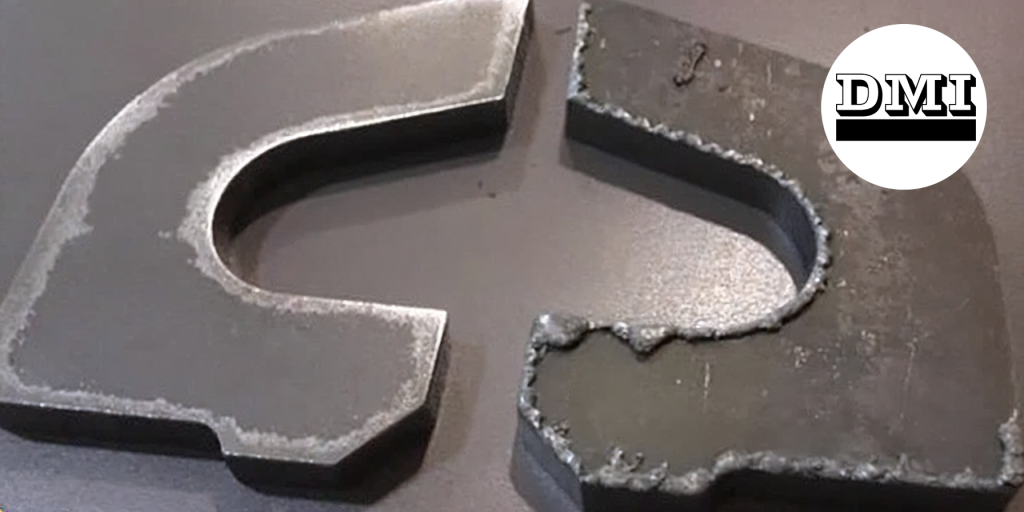
Burrs are one of the most common defects we catch early, and they can be deceptively tricky. A small burr might not seem like much, but it can cut an operator, damage a mating part, throw off a weld, or keep an assembly from seating. And if the burr grows as the tool wears, the issue can creep up mid-run.
Most burr issues come back to a few root causes. Dull punches, improper clearance, poor punch to die alignment, or material conditions that don’t shear cleanly. Sometimes a burr is also a clue that we’re punching in the wrong direction for the functional edge, which matters a lot for parts that slide, seal, or snap into something.
What we do early is inspect edges intentionally, not casually. We look at burr direction, height, and consistency across cavities and across the strip. If we see it trending, we address it at the tooling level. Sharpening, checking clearances, confirming alignment, and making sure the cutting conditions are stable. Deburring can be part of the process, sure, but we never want deburring to be the only thing keeping the part acceptable.
Dimensional Drift (When The Part Is “in Spec” Until It Isn’t)
Dimensional issues are obvious when a part fails inspection. They’re less obvious when the part barely passes, then drifts as the run continues. We see this most often on hole-to-edge relationships, bend angles, and flatness-related dimensions.
A stamped part is a product of the tool and the material’s behavior. If we are right at the edge of capability, small changes in coil yield strength, lubrication, or press temperature can move a dimension enough to cause trouble. And it’s not always linear. Sometimes the first 200 pieces look fine, then the tool warms up, and springback changes, or a forming station starts to pick up material, and friction increases.
In early runs, we focus on capability, not just pass fail. We look for trends across time and across different areas of the strip. If we see a dimension that is sensitive, we’ll tighten up the process window. That can mean adjusting forming, adding or modifying restrike, controlling lubrication, or changing how we locate the strip. The goal is boring consistency, even when the material changes a lot from one lot to another.
Springback And Inconsistent Bend Angles
Springback is one of those stamping realities that never fully goes away. Even when we have a proven setup, springback can vary based on material thickness, hardness, grain direction, and coating. And when parts have multiple bends or tight angular requirements, small changes can stack up quickly.
The early warning sign is usually an angle variation between parts that were made minutes apart, or angles that look fine in the free state but shift when assembled. We also see it when a bend looks correct, but the part has a twist or the flanges aren’t sitting in the same plane.
To get ahead of it, we evaluate bends in a way that matches the part’s function. If the part gets clamped in assembly, we check it that way too. We also pay attention to grain direction and forming sequence. Sometimes the fix is as simple as adjusting a forming station. Other times, we need to add a coin, a restrike, or change the tooling geometry so the process is less sensitive to normal variation.
Wrinkles And Oil Canning (Especially On Wide Flanges Or Draws)
Wrinkles can show up fast when the material is compressed and doesn’t have enough control. We see this a lot in drawn or formed features, and also on wide flanges where the metal wants to buckle. Oil canning is similar, where a surface pops in and out and refuses to stay stable.
Wrinkling is often a sign that the material is not being held or guided the way it needs to be. Blank holder pressure, draw beads, lubrication, and the timing of when the metal is allowed to move all play a role. Sometimes the tool is technically “working,” but it’s right on the edge. Then a new coil comes in, and the wrinkles suddenly show up.
In tryout and pre-production runs, we look at surface quality under good lighting, and we look at it early, before the parts get handled and scratched. If the part has a cosmetic requirement, we treat it like one. That means we don’t accept “it will probably be fine after paint” unless the customer and the print truly allow it. If we need more control in the forming process, we address it with tooling and process adjustments before we ever get into high volume.
Cracks And Splits (The Defect Nobody Wants To Discover Late)
Cracking is a red flag defect because it often means we’re exceeding the material’s forming limits, or we have stress concentrators in the tool. Cracks can show up at corners, along bend lines, near pierced features, or in drawn radii. Sometimes they’re visible right away, but other times they’re hairline and only show up after plating, welding, or assembly stress.
Common causes include tight radii, poor edge quality going into forming, wrong grain direction, too aggressive forming in one hit, or insufficient lubrication. Tooling surfaces can also contribute if there’s galling or roughness that drags the metal.
When we’re catching this early, we don’t just look for full splits. We look for early signs like thinning, stress lines, and surface tearing. We’ll measure thickness in critical zones if needed, and we’ll review the forming path. If we need to distribute the work across stations or modify radii, we do it early. It’s always cheaper than finding out after thousands of parts are already made.
Galling And Material Pickup (The Defect That Can Spiral Into Tool Damage)
Galling is one of the fastest ways to turn a stable run into chaos. Once material starts welding itself to the tooling surface, it can mark parts, change dimensions, increase forming forces, and accelerate wear. It can also lead to scratching that looks cosmetic but ends up being functional, especially on sealing surfaces or plated parts.
We see galling more with certain materials and coatings, and when lubrication isn’t right for the application. Tooling finish, hardness, and coatings can make a huge difference, too.
Early on, we watch for faint scratches, changes in part sheen, and any signs that the tool is starting to pick up. We also check the tool itself during early runs. If we spot a pickup, we want to stop the cycle before it becomes a recurring defect. That may mean changing lubricant, improving tool surface finish, adjusting forming pressure, or applying a coating that’s better suited for the material.
Misfeeds And Progression Issues (When The Strip Isn’t Where We Think It Is)
A surprising number of stamping defects are really feed and progression defects in disguise. Holes that drift, forms that look off-center, trimmed edges that don’t match. Sometimes the tool is fine, but the strip isn’t consistently locating the same way every hit.
This can happen from inconsistent pilot engagement, feed length variation, coil camber, or even a buildup of scrap that interferes with progression. And if the part has tight positional tolerances, small feed errors can be enough to create a reject.
In early production validation, we pay close attention to how the strip tracks. We verify pilots, confirm feed settings, look for strip lift, and check sensors and stops. We also try to run at realistic speeds, because a feed that looks stable at slow speed can act differently when we run at production pace.
Surface Marks, Dents, And Scratches (The “Handling” Defect That Starts In The Die)
Not every scratch is from handling. We’ve seen plenty that start in the die due to material pickup, rough tooling surfaces, trapped scrap, or part ejection problems. Even minor marks can be a big deal if the part is visible, seals against another surface, or has a coating requirement that will highlight imperfections.
During early runs, we inspect surfaces the same way our customers will. Under consistent lighting, at the right angles, and with the right acceptance criteria. If we see repeating marks in the same area, we treat it as a process issue, not an operator issue. Then we work backward. Is it ejection? Is it strip travel? Is it a burr on a tool edge? Is it a pickup? Getting the true cause matters because otherwise the mark comes right back after the next tool maintenance cycle.
A Quick Reality Check We Use Before We Ever Call It “Ready”
We use a simple mindset before we green-light mass production. We want the process to be stable, predictable, and capable, not just “passing today.” If we can’t repeat it, we can’t scale it.
Here are a few things we look for in those early stages:
- We check multiple parts across the run and across the strip, not just the first few good ones, because early wins can hide later drift.
- We confirm that the tool and process can handle normal variation in material, speed, and lubrication without defects popping up.
That’s not fancy. It’s just discipline. And it’s the difference between a smooth program launch and a painful one.
What This Means For Customers Planning A New Stamping Program
If you’re sourcing a new stamping part or transferring an existing tool, the biggest advantage you can get is a supplier who is aggressive about catching defects early. Not because we like making a big deal out of small issues, but because small issues are the ones that turn into schedule problems and cost overruns.
At Degele Manufacturing, we’ve been in business since 1970, and you can count on DMI to meet or exceed your expectations on any program we support. We put a lot of focus on process stability before volume, because once a part is in production, you want it to run the same way every time. Day shift, night shift, new coil, old coil. All of it.
Let’s Talk Before Small Defects Turn Into Big Production Problems
If you’re seeing burrs, cracking, wrinkles, inconsistent bends, surface marks, or any of the other common stamping defects we covered here, we can help you sort it out and get the process under control before it turns into a costly mess. Call us at Degele Manufacturing in New Baltimore, MI at (586) 949-3550 and let’s talk through your part, your requirements, and what a clean path to mass production should look like.
FAQs
Why do stamping defects often appear right before mass production, even when the print is clear?
Stamping defects frequently occur just before production because of process variation rather than errors in following the drawing. Factors like material variation, coil set, lubrication differences, press behavior, tool wear, and setup differences become evident only when running parts at full production speed. Early prototypes may look fine, but real production exposes these variations.
What are burrs in metal stamping, and why is ‘just deburr it’ not an effective solution?
Burrs are small raised edges or roughness on stamped parts that can cause operator injury, damage mating parts, affect weld quality, or prevent proper assembly. They often result from dull punches, improper clearance, misalignment, or unsuitable material conditions. Simply deburring is not enough; it’s crucial to inspect edges early and address root causes like tool sharpening and alignment to prevent burrs from recurring.
How does dimensional drift affect stamped parts during a production run?
Dimensional drift occurs when parts initially meet specifications but gradually deviate due to factors like changes in coil yield strength, lubrication, or press temperature. This can impact critical dimensions such as hole-to-edge distances and bend angles. Monitoring trends over time allows for tightening process controls through adjustments in forming, restrike operations, lubrication management, or strip location to maintain consistent part dimensions.
What causes springback and inconsistent bend angles in stamped parts, and how is it managed?
Springback arises from material properties like thickness, hardness, grain direction, and coating, affecting how a part returns after bending. Variations can cause angle inconsistencies or twisting between parts made minutes apart. Managing springback involves evaluating bends according to part function and assembly conditions, adjusting forming stations, adding coining or restrikes, and modifying tooling geometry to reduce sensitivity to normal variation.
Why do wrinkles and oil canning occur on wide flanges or drawn features during stamping?
Wrinkles happen when compressive forces cause the metal to buckle due to insufficient control during forming. Oil canning refers to surface instability where areas pop in and out. These issues often stem from inadequate blank holder pressure, draw bead design, lubrication issues, or timing of metal movement control. Even if tooling works correctly under certain conditions, slight material changes can trigger wrinkles during production.
How does Degele Manufacturing prevent common stamping defects before mass production?
We emphasize early detection during tryout runs and initial builds by stressing the process under realistic conditions. They intentionally inspect for defects like burrs, dimensional drift, spring back variations, wrinkles, and oil canning. Addressing root causes such as tool wear, alignment issues, material variation control, lubrication management, and process adjustments ensures defects are fixed once correctly, rather than chasing problems after thousands of parts are produced.