
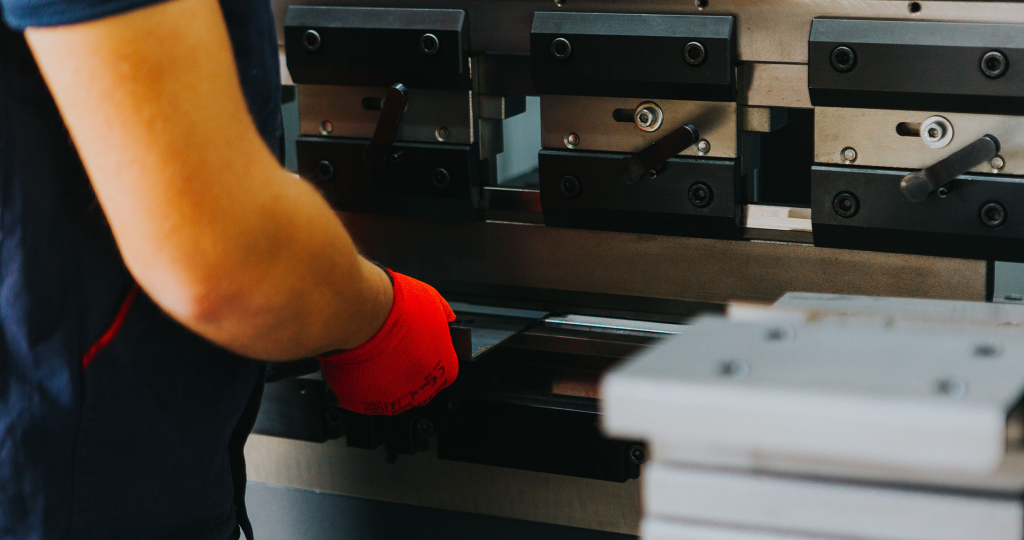
In the case where one has to produce complex, three-dimensional metal parts with the highest accuracy, then deep draw metal stamping would surely be one of the most trusted manufacturing techniques. This unique procedure first takes the flat sheets of metal and then, through a very carefully controlled drawing operation, turns them into very complicated shapes, where the material is actually drawn around a die to get the intended shape.
The need for precision metal forming is constantly increasing, and this elevates the importance of deep draw metal stamping for the manufacturers who are after quality plus dimensional accuracy at all times. This process, in contrast to simpler stamping methods, is capable of producing not only parts that have significant depth in relation to their diameter, but also the components that would be very hard or even impossible to create by other means.
Deep drawing success is very much dependent upon the combination of excellent tooling design and superior manufacturing processes. The dies that are employed in this operation need to be very accurately designed so that they can lead the metal through the different forming stages, while the setup of the manufacturing will make sure that each part is of the exact specification. This mix of specialized equipment and technological know-how is what makes deep draw metal stamping the pillar of modern precision manufacturing.
Understanding the Deep Draw Metal Stamping Process
Deep draw metal stamping is an accurate manufacturing process that turns flat sheet metal into three-dimensional hollow objects. The name of the process derives from the fact that the material is “drawn in” literally when the die moves down around a form, making seamless cylindrical or box-shaped pieces with a depth that is significant in relation to the diameter.
The Step-by-Step Deep Drawing Process
The transition from flat metal to part takes place through a chain of operations meticulously planned:
Initial Drawing: A blank piece of sheet metal is put over a die. While the punch lowers, the material flows into the die, producing the first dimensional shape.
Successive Redraws: If your part has to be deeper, the initially drawn piece will get extra redraw operations. Each redraw increases the depth progressively while retaining wall thickness and dimensional integrity.
Final Forming: The shape passes through specialized tooling multiple times until reaching the specified one.
Basic Drawing vs. Deep Drawing
The difference is in the ratio of depth to diameter and complexity. Basic drawing is one operation with a shallow part. Deep drawing, on the other hand, involves multiple redraw operations to the point of extreme dimensions, where, in some cases, pieces of up to six inches in depth and only one and a half inches in diameter are made. When a part is redrawn several times, it gets the title of “deep drawn”.
The Critical Role of Tooling Design
Your dies serve as the backbone of quality in deep draw operations. Precision-engineered tooling directly influences:
- Dimensional accuracy across all specifications
- Surface finish quality of the final product
- Material flow during forming operations
- Consistency between production runs
Properly designed dies ensure each part meets exacting standards while minimizing material waste and production time.
Advantages and Applications of Deep Draw Metal Stamping
For cylindrical or intricate three-dimensional components, those who are looking to evaluate the alternatives in terms of manufacturing understand that the advantages of deep draw metal stamping take centre stage. The process itself keeps on being the absolute winner over spinning metal and other techniques in critical areas.
Deep Drawn Parts vs. Spun Parts: A Clear Winner
The most notable difference between the deep draw method and the spinning option can be seen through the great signs that this comparison brings. Deep-drawn metal stamping offers very good dimensional stability, which can be viewed as a great benefit to the manufacturers of these products. All production run parts will be within the specified dimensions. The improved surface finish will be apparent from the immediate quality comparison; deep drawn products are presented with rounder and more constant surfaces, which are a sharper contrast to the spinning process of making parts.
The most attractive advantage? The economic benefit comes from the whole process, which has now been made easier through the less labor-intensive requirement. Spinning, however, requires a lot of manual work and skilled labor, whereas deep drawing is automated, resulting in significantly lower labor costs per unit.
Leveraging Existing Tooling for Faster Production
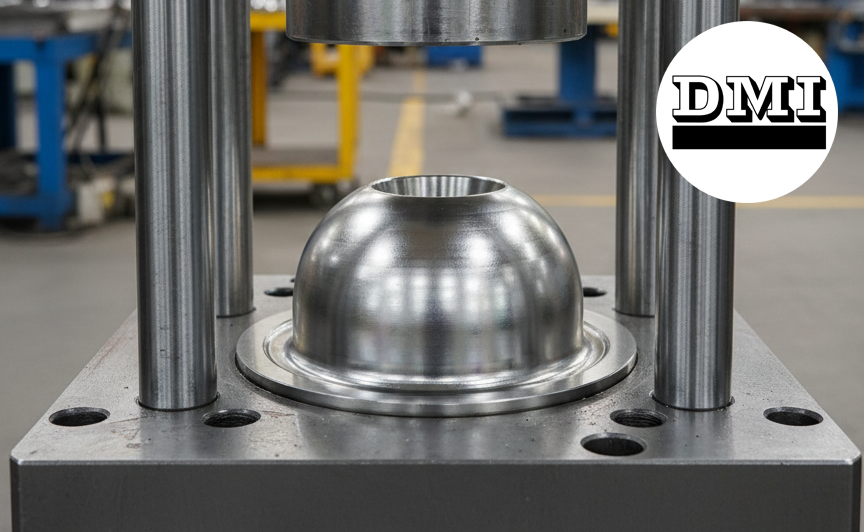
The use of existing draw dies is one of the frequently unnoticed benefits in manufacturing. You will often be able to make the most of the metal stamping provider’s existing stock of more than 200 draw and deep draw dies if you hire an experienced one. This not only reduces the costs of tooling modification but also makes your production timeframes faster. Instead of spending thousands on new tooling from the ground up, you can adapt existing dies with slight modifications and get your parts into production weeks or even months faster.
Industries Embracing Deep Draw Technology
Deep-drawn metal stamping serves diverse sectors requiring precision-formed metal components:
- Automotive: Fuel system components, sensors, and structural elements
- Aerospace: Lightweight housings and specialized containers
- Consumer Goods: Kitchenware, battery casings, and decorative items
- Electronics: Shielding components, connectors, and enclosures
These sectors require the different measurements and the same characteristics that deep drawing provides, so it is the only process for mass production of complex metal parts that is considered the best.
Degele Manufacturing’s Expertise in Deep Draw Metal Stamping
Since 1970, we at Degele Manufacturing Inc. has been recognized as a dependable partner in precision metal forming and deep draw stamping. With more than fifty years of practical experience, DMI is the company you can count on to provide results that not only satisfy but also go beyond your project specifications.
What sets us apart is its process-oriented manufacturing approach that streamlines production from concept to completion. Their facility features dedicated, separate areas for each critical function:
Tooling design and fabrication
Machining operations
Manufacturing production runs
Inspection and quality control
Assembly services
Maintenance support
This integrated system does away with the coordination issues that come along with various vendors. Time and cost savings are the benefits that come with selecting one supplier that handles all aspects of your deep-drawn metal stamping project. Their stamping capacity varies from 40 to 400 tons, which means they can accommodate different application needs, whether you produce 2,500 small parts a year or work with complex assemblies. This comprehensive infrastructure makes DMI one of the most efficient value-added manufacturers in the industry for deep draw and precision stamping solutions.
Supporting Services and Secondary Operations at Degele Manufacturing
Your project needs to extend beyond the initial stamping process, which is why we’ve built comprehensive support systems around our core manufacturing capabilities. Our prototyping assistance starts with CAD compatibility- and the majority of popular file formats, so you can send your designs straight from your engineering team to our production floor. From the very beginning, we concentrate on design for manufacturability and help you spot potential problems before tooling starts, and your parts smoothly change from concept to reality.
Our secondary operations transform raw stamped parts into finished components ready for your assembly line:
Welding and brazing for permanent joining applications
Tumbling to achieve desired surface finishes and deburring
Custom fixtures designed specifically for your parts
Wire EDM, CNC milling, and turning for precision machining requirements
When specialized processes fall outside our in-house capabilities, we coordinate outsourced services, including waterjet cutting, laser processing, heat treatment, and various finishing options. This integrated approach means you work with a single point of contact while accessing a complete range of manufacturing and tooling services that complement the deep drawing process.
Choose Degele Manufacturing
Deep draw metal stamping provides the closest thing to precision and the lowest cost possible among the manufacturing processes. It is a productive method that not only stabilizes the dimensions of the produced parts and improves their surface finishes but also decreases labor costs significantly compared to spinning and other methods. In cases where deep drawing is required, it is the smart choice if one wants complex, three-dimensional components with great quality.
We at Degele Manufacturing have been around for more than five decades and brings this vast experience to every single project. We have always considered customers’ demands both fulfilled and surpassed, and have made this the crux of our integrated manufacturing approach since 1970. Our distinct sections for tooling, machining, inspecting, assembling, and maintaining all work together efficiently, giving you the benefit of savings in time and money.
Whether you are utilizing the old tooling or making a new one, our skilled team will be with you throughout the process, giving total support from design concept to the very end of the production process. We are fully aware that our involvement in your project means dedication and the provision of top-notch, craftsman-like work.
Are you ready to create your next deep-drawn metal stamping project? Get in touch with us at (586) 949-3550 right away to talk about how we can turn your dreams of precision manufacturing into reality.