

Once you get into metal stamp production, the first thing you will notice is that the tooling becomes the most important element in all your production processes. Picture tooling as the equipment designated for certain uses, such as cutting dies, printing plates, and precision measuring instruments, which all together turn the raw materials into parts and products exactly as needed per your requirements.
In tool and die making, the tooling acts as a support that indicates whether your production is going to be easy and smooth, or you will have to fight with quality problems. The tools that have been meticulously built are what give the power to the manufacturers to produce the parts with precision, one after another, no matter if you are doing metal stampings, custom packaging, or assembling complicated parts.
Good tooling has a great impact and can be felt all the way from the shop floor to the market where the products are finally sold. The choice of tooling that you make will have a direct effect on:
Production costs – both upfront investment and long-term per-unit expenses
Product quality – consistency, precision, and finish of your stamped parts
Manufacturing efficiency – speed of production and turnaround times. Knowing how tooling works and what it means makes one smarter to decide on metal stamp production projects, especially at times when one is weighing up initial costs against long-term value.
What is Tooling in Metal Stamp Production?
The tool and die components are the most critical parts of the machinery to carry out your metal stamping projects. If you are dealing with a manufacturer for custom metal stamping or packaging production, you are definitely investing in the two main tooling elements – cutting dies and printing plates.
Understanding Cutting Dies
Cutting dies are made very accurately and have very sharp blades at very accurate positions. The blades cut raw materials, for example, corrugated sheets, metal, or other substrates, into the exact shapes and sizes that your project demands. The blade settings determine every cut, hole, and contour in your finished product. Think of them as industrial cookie cutters, but with much greater precision and complexity.
The Role of Printing Plates
Printing plates work alongside cutting dies during production. These photopolymer plates have your design etched into their surface. The raised areas receive ink, which transfers onto your material, creating logos, text, and graphics. For metal stamping applications, similar plate technology applies specialized coatings or markings to metal components.
Different Types of Metal Stamping Tools
Metal stamping tools come in various configurations based on your production volume:
Flat bed dies: Ideal for smaller runs and prototypes, offering flexibility and lower initial investment
Rotary cutting dies: Designed for high-volume production runs of 50,000 units or more, these cylindrical tools operate continuously at higher speeds
Progressive dies: Multiple operations occur in sequence as material moves through the press
The decision to opt for these tool and die alternatives rests on your production quantity, part intricacy, and financial limitations.
Application of Tools: Material and Product
The production process starts with the basic materials, i.e., whether you are using corrugated sheets for packing or metal sheets for components. Each step of understanding leads to the recognition of the precision required for quality results to be delivered.
The Production Journey:
- Material Preparation – Your project starts with flat sheets positioned on stamping presses, ready for transformation. At Degele Manufacturing, our presses range from 40 to 400 tons, accommodating various application needs.
- Printing Phase – Printing plates transfer your design onto the material. The raised surfaces on these photopolymer plates get inked and pressed against the substrate, creating your custom graphics and branding elements.
- Cutting Operation – This is where metal stamping truly comes alive. Cutting dies are very sophisticated machines that are made to very close tolerances and have super-sharp blades set at very accurate distances. These blades intrude upon the raw materials-for instance, paper, metal, or other substrates-perfectly defining the shapes and sizes as per the requirements of your project.
- Final Formation – After cutting, your stamped parts emerge ready for secondary operations or assembly. The precision of those die blade settings determines whether you get clean edges and accurate dimensions or costly rejects.
Every tooling component is co-operated with stamping presses to change simple sheets into functional products. The calibration of blade positioning, press tonnage, and material feed rate is so precise that consistency across production runs is achieved.
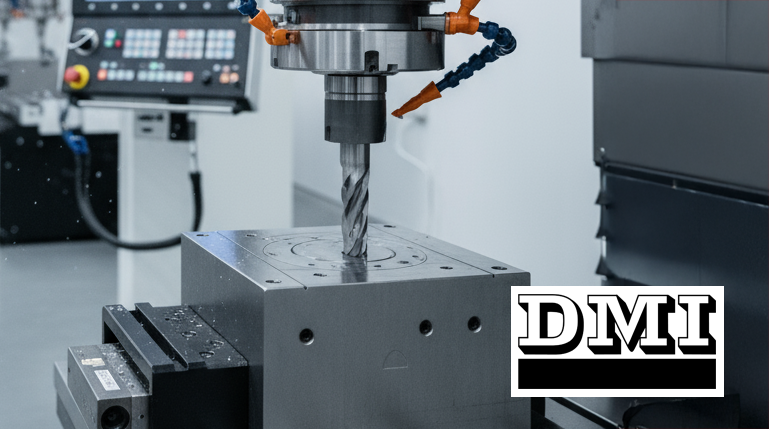
Cost Considerations in Custom Tooling
The understanding of tooling cost becomes the key factor for accurate budgeting when planning your metal stamping project. Let’s examine how much you will have to invest in custom tooling pricing.
To give you a real-world example, a custom cutting die can cost around $600 and a printing plate about $360. Accordingly, your upfront investment could be as high as $1,000 per project before production even begins. These numbers might make you pause, but here’s what makes this investment worthwhile.
The Long-Term Value Equation
Your initial tooling expense transforms into remarkable cost efficiency when you consider production volume. Quality cutting dies and printing plates can produce hundreds of thousands of parts throughout their lifespan. As your production runs increase, the per-unit cost drops dramatically. A several hundred dollar die producing 100,000 parts adds only cents to each unit’s cost- a fraction that becomes negligible in your overall pricing structure.
Ownership and Transferability
You own the tooling once you’ve paid for it, which sounds straightforward. The reality includes some important limitations. Manufacturers applying different equipment specifications may find the tooling hard to transfer from one facility to another. Cutting die, which was designed for one manufacturer’s 200-ton press will not definitely provide the same result on the other manufacturer’s equipment. This consideration makes choosing the right manufacturing partner from the start crucial to understanding tooling and maximizing your investment’s value.
Advantages of Investing in Custom Tooling for Metal Stamp Production
The true value of custom tooling reveals itself when you scale up production. While the upfront investment might give you pause, the economics shift dramatically as your volume increases. Low unit cost becomes your competitive advantage-those cutting dies and printing plates that seemed expensive initially spread their cost across thousands or even millions of parts, driving down what you pay per piece significantly.
Quality and Longevity
Quality tooling delivers remarkable longevity. A well-crafted cutting die can produce hundreds of thousands of stamped parts before requiring replacement. The printing plates you invest in today will serve your high-volume manufacturing needs for extensive production runs, making them assets rather than expenses. This durability means you’re not constantly re-investing in new tools every time you need to fulfill an order.
Production Efficiency
Production efficiency takes center stage when you’re working with custom tooling designed specifically for your parts. Your stamped components come out identical every single time-no variations, no surprises. The blades dialed to exact specifications ensure each cut matches your design requirements perfectly. This consistency eliminates the quality control headaches that come with generic tooling solutions.
Speed and Turnaround Times
Time is a key factor in the manufacturing process, and custom tooling leads to quicker production at the earliest stage of your project. The dies are already made, the specifications are already set, and the manufacturing process is seamless from raw material to finished stamped part without any delays or adjustments between runs.
How Quality Tooling Impacts Product Outcomes
1. Precision fabrication originates from remarkable tooling design
When the cutting dies are made accurately and the blades are adjusted to the exact specifications-down to the millimeter-the result is neat and sharp cuts every time. This level of accuracy eliminates the typical manufacturing troubles that result in serrated edges, partial cuts, or features not perfectly aligned, which are generally encountered in metal stamping and the production of consumer goods. The difference between acceptable and exceptional quality often comes down to how meticulously your tooling was engineered from the start.
2. Design for Manufacturability (DFM) Becomes Reality with Modern CAD Tools
At Degele Manufacturing, we work with popular formats to transform your concepts into production-ready designs. This digital approach allows you to:
- Identify potential manufacturing challenges before cutting steel
- Optimize part geometry for efficient stamping operations
- Validate that your design will perform as intended in real-world conditions
- Create short-run prototypes to test fit, form, and function
The prototype stage saves you a lot of money by identifying any possible design mistakes that would otherwise necessitate expensive tooling changes or total remaking.
3. Quality Control Is Not Limited To The First Tooling Creation Only
Investing in inspection areas equipped with the latest technology allows manufacturers to additionally control the dimensions and quality of the dies and plates during their life cycle, ensuring that they have the same specifications as the original ones. Separate maintenance facilities guarantee that your tooling is given the right treatment-sharpening blades, cleaning printing surfaces, and replacing worn-out components before they affect the quality of your product. This preventive measure keeps your stamping operations smoothly conducted while still conforming to the tight tolerances your applications require.
Get Your Metal Stamp Production Needs Met by Degele Manufacturing
When you decide to start with metal stamp production solutions, selecting the right manufacturing partner will be a decisive factor. We at Degele Manufacturing Inc. provide more than 50 years of demonstrated experience in every project, mixing up advanced custom tooling service with massive stamping capability from 40 to 400 tons.
Our process-driven strategy-featuring distinct areas for tooling, machining, inspection and maintenance-guarantees your project getting the accuracy and care it deserves. We are ready to provide any support, from prototype design with CAD integration to large runs, we can take care of anything from 2,500 small parts to very detailed assemblies produced on a yearly basis.
Looking for professionals to fulfill your stamping needs? Contact us at Degele Manufacturing at (586) 949-3550 today. Our team is standing by to provide expert consultation and turn your metal stamping vision into reality.